
Styling Photo Prints
How to Choose Architecture Photo Prints for a Contemporary Living Room
A practical guide to selecting architecture Photo Prints for modern living rooms, using London Tower Bridge, New York’s Flatiron Building, and the Chicago skyline to compare subject, atmosphere, scale, cropping, and display arrangements.
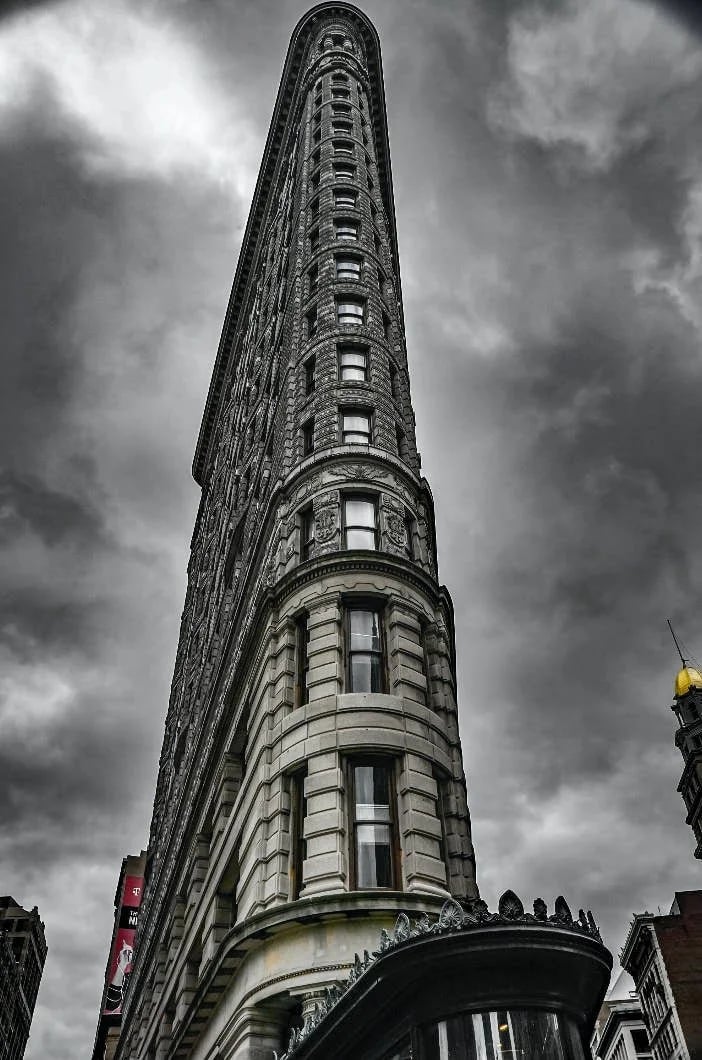
Artwork: BLJ Media original photography · Explore this Photo Print ↗
Architecture can give a living room a strong sense of place without making the space feel overly themed. The most successful choice is rarely just the building you recognize first; it is the relationship between the subject, the room’s proportions, the available wall area, and the mood you want to reinforce. These three architecture Photo Prints offer distinct starting points: London Tower Bridge beneath cloudy skies, New York’s Flatiron Building, and the Chicago skyline at sunset viewed from a boat on Lake Michigan. Comparing them by subject and composition makes the buying decision more deliberate and much easier.
Start with the room’s visual rhythm, not the destination name
A contemporary living room often benefits from one clear visual idea. Before choosing a city, look at the wall where the Photo Print will hang and ask whether the room already has repeated lines, strong furniture shapes, or a large uninterrupted surface. A recognizable landmark can become a focal point, while a skyline can support a broader, more panoramic-feeling arrangement. The aim is not to match every object, but to decide whether the artwork should lead the room or quietly organize it.
The three subjects create different design conversations. New York’s Flatiron Building centers the selection on one architectural subject, making it a natural candidate when you want a more concentrated statement. London Tower Bridge also offers a singular landmark, but its documented setting beneath cloudy skies suggests a different atmosphere to consider. Chicago presents the skyline from a boat on Lake Michigan at sunset, giving you a city view with a wider environmental context.
Choose between a landmark and a skyline
A single landmark can be easier to place when the wall is narrow, when the furniture beneath it is visually active, or when you want the eye to settle on one recognizable form. New York Flatiron is especially useful to consider for that role because the subject is the Flatiron Building, also known as the Fuller Building. In a restrained room, one architectural photograph can provide identity without requiring a large collection around it.
A skyline can be a better direction when the wall is wide or when the room needs a sense of visual breadth. Chicago Skyline is documented as a view from a boat on Lake Michigan, rather than simply an isolated building study. That context may make it a useful choice above a long sofa or across from an open view, where a broader city subject can echo the room’s horizontal flow. Treat this as a placement suggestion, not a rule: the final decision should follow the actual proportions of your wall and furniture.
Use atmosphere to guide the mood
The setting attached to an architecture photograph matters as much as the structure itself. London Tower Bridge is described beneath cloudy skies, so it may suit a room where you want the architecture to carry a more measured, atmospheric presence. It can work as a thoughtful counterpoint to clean furniture and simple surfaces, particularly when you prefer a landmark image that does not depend on a bright, celebratory setting.
Chicago Skyline is described at sunset, viewed from a boat on Lake Michigan. That combination gives the image a distinctly time-based context, which may help a living room feel more welcoming or reflective. New York Flatiron, by contrast, is presented through the architecture of the building itself, making it a sensible option when you want the structure and city identity to remain the central consideration. The practical caveat is to compare the actual image with your room’s existing palette rather than relying only on the destination name.
Think carefully about scale and cropping
Scale changes how architectural photography behaves on a wall. A smaller print can act as a focused accent near a reading chair or console, while a larger presentation can give a landmark enough visual authority to hold the space above substantial furniture. The catalog descriptions note that London Tower Bridge and New York Flatiron were offered in multiple sizes, with custom sizing by quote. That flexibility makes it worth measuring the wall before committing rather than choosing a size by habit.
Chicago Skyline was originally described as a 16×20-inch photo, with an optional framed and matted presentation in the original listing. That information provides a useful reference point for a more defined, contained display. If you are considering a different arrangement, examine how the image’s crop sits within the proposed dimensions and whether surrounding objects would crowd it. For any custom sizing request, confirm the available options before purchase; a room’s proportions are helpful guides, but the seller’s confirmed format should make the final decision.
Build a display that feels intentional
One architecture Photo Print can be enough when the wall, furniture, and subject already create a clear composition. Place a landmark where it has breathing room, and let the surrounding wall act as part of the arrangement. This approach is worth considering for New York Flatiron or London Tower Bridge, since each listing documents one principal architectural subject. Avoid adding neighboring art simply because the wall is available; additional pieces should support the main image rather than compete with it.
A group of two or three architecture images can create a stronger city-to-city conversation, provided the display has a consistent organizing principle. You might use New York Flatiron and London Tower Bridge as two landmark studies, then bring in Chicago Skyline as the wider city view. Alternatively, use one of them alone above a sofa and reserve the others for separate rooms. Keep spacing measured, align the outer edges or central sightline, and decide whether the arrangement should feel symmetrical before you begin hanging.
For a practical example, imagine a contemporary living room with a long sofa and a relatively open wall. Chicago Skyline could be considered as the main horizontal-feeling subject because its documented viewpoint includes the skyline, boat, and Lake Michigan, while London Tower Bridge or New York Flatiron could serve as a smaller neighboring work if their confirmed sizes create a balanced relationship. The key is to test paper placeholders at the intended dimensions first, since a digital preview cannot fully communicate how much wall the finished arrangement will occupy.
Bring the idea into your space
Choosing architecture Photo Prints for a contemporary living room becomes simpler when you separate destination from design function. Decide first whether your wall needs one landmark or a broader skyline, then consider the atmosphere documented in each image: cloudy skies around London Tower Bridge, the focused architecture of New York Flatiron, or Chicago’s skyline at sunset from Lake Michigan. Measure before selecting a size, review the crop, and plan the hanging arrangement with the furniture in mind. A thoughtful match between subject, scale, and room rhythm will make the print feel integrated rather than merely added.
Sources and artwork references
This guide draws on the identified BLJ Media product descriptions and photographs below. Styling suggestions are editorial guidance, not claims of product testing or a guarantee of particular results.
Editorial note: This guide was created with AI assistance using BLJ Media’s catalog and passed automated editorial checks. It was published without individual human approval.